Are Cosmetic Dentistry Dental Procedures Covered by Dental Insurance?

Cosmetic dentistry can improve your smile, but insurance coverage is not always simple. Some treatments are clearly elective. Others improve appearance while also protecting damaged teeth, replacing missing teeth, or restoring normal function.

That is where patients often get confused.

Dental insurance usually looks at the reason for treatment, not just the result. If a procedure is done only to change how your smile looks, it is usually not covered. If it is needed to repair damage, restore chewing, replace missing teeth, or support oral health, partial coverage may be possible.

For patients in Vaughan, Thornhill, Maple, and Richmond Hill, the safest approach is to start with a dental exam, ask for a written treatment plan, and request a predetermination before treatment begins.

Related Article: How to Prepare for Your Dental Visit When Using the Canadian Dental Care Plan

Does Dental Insurance Cover Cosmetic Dentistry?

Dental insurance may cover a cosmetic-looking procedure when there is a clear dental health reason for doing it.

A crown, for example, can improve the look of a tooth. Still, if the tooth is cracked, weakened, heavily filled, or at risk of breaking, the crown may be considered restorative. That gives it a better chance of being partially covered.

The same idea can apply to bonding, bridges, dentures, orthodontics, and some implant-related treatments. Coverage depends on your plan, the procedure code, your remaining benefits, and the clinical reason documented by your dentist.

The main difference is this:

  • Cosmetic purpose: changes appearance only.
  • Restorative purpose: repairs damage or replaces missing structure.
  • Functional purpose: helps chewing, bite alignment, speech, or tooth stability.
  • Preventive purpose: helps avoid future oral health problems.

If the treatment falls into the first category only, insurance is less likely to help.

covered by dental insurance

What Counts as Cosmetic Dental Treatment?

A dental procedure is usually considered cosmetic when the main goal is to improve how the teeth or gums look. This can include colour, shape, size, spacing, alignment, or smile balance.

Common examples include:

  • Whitening stained teeth
  • Covering discolouration with veneers
  • Reshaping uneven tooth edges
  • Closing small cosmetic gaps
  • Changing the look of a gummy smile
  • Creating a more even smile line

These concerns are valid. Wanting to feel more confident about your smile is a real reason to seek care. The issue is that most insurance plans are built around oral health needs, not appearance-based goals.

Related Article: What Dental Services Are Covered Under the Canadian Dental Care Plan?

Cosmetic Treatments Usually Not Covered

Some procedures are rarely covered because they are almost always elective.

Teeth whitening is the clearest example. It brightens natural tooth enamel, but it does not treat decay, infection, tooth damage, or bite concerns. Whether you choose in-office whitening or a take-home whitening kit, you should usually expect to pay privately.

Veneers are also often excluded when they are used to improve colour, shape, or symmetry. If the teeth are healthy and the treatment is mainly chosen for smile design, the insurer will usually classify it as cosmetic.

Gum contouring may also be considered elective when it is done to reshape the gumline for aesthetic balance rather than to treat a periodontal concern.

In many cases, full smile makeovers are paid out of pocket unless part of the plan involves restorative work that qualifies separately.

Treatments That May Receive Partial Coverage

Some procedures can improve your smile and your oral health at the same time. These are the treatments most worth checking with your insurer.

Here are a few common examples:

Treatment When Coverage May Be Possible
Composite bonding Repairing a chipped, fractured, or decayed tooth
Dental crowns Protecting a cracked, weakened, or heavily restored tooth
Bridges Replacing missing teeth and restoring chewing function
Dentures Replacing multiple missing teeth
Orthodontics Correcting alignment or bite issues if the plan includes orthodontic benefits
Dental implants Varies widely by plan; some plans exclude implants or cover alternatives

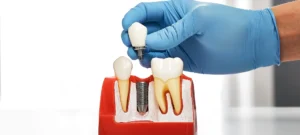
Dental implants deserve special attention. Some plans do not cover implants at all. Others may cover certain parts of the process, such as the crown, consultation, or alternative tooth replacement option. Your plan may also have limits, waiting periods, or missing tooth clauses.

This is why a treatment estimate matters before you proceed.

long-term oral health

Why the Reason for Treatment Matters

Insurance companies often ask one simple question: Is the procedure necessary for oral health?

A veneer placed to make a tooth look whiter is likely cosmetic. A crown placed because the tooth is cracked and cannot be safely restored with a filling may be restorative.

The procedure may look similar to the patient, but the insurer sees a different clinical purpose.

Your dentist may support the claim with:

  • X-rays
  • Intraoral photos
  • Chart notes
  • Diagnosis details
  • Existing restoration history
  • A written treatment plan
  • A breakdown of procedure codes

These details help explain why treatment is being recommended. The insurer still makes the final decision, but stronger documentation can make the review clearer.

How Predetermination Helps Before Cosmetic Dental Work

A predetermination is an estimate sent to your dental insurance provider before treatment begins. It allows the insurer to review the proposed treatment and explain what may or may not be covered.

This is especially useful for higher cost care, including:

  • Veneers
  • Crowns
  • Bridges
  • Dentures
  • Dental implants
  • Orthodontic treatment
  • Multi-step smile treatment plans

A predetermination is not always a final promise of payment. Claims can still depend on eligibility, plan limits, and coverage rules at the time treatment is completed. Still, it gives you a much clearer idea of your expected out-of-pocket cost.

Related Article: How to Prepare for Your Dental Visit When Using the Canadian Dental Care Plan
Orthodontics sits in its own benefit category with its own lifetime maximum, which we cover in more detail in our guide to how orthodontic coverage and Invisalign costs work in Ontario.

What About the Canadian Dental Care Plan?

The Canadian Dental Care Plan (CDCP) is different from private dental insurance. It is meant to help eligible Canadian residents access oral health care, with a focus on preventing and treating oral disease.

Patients should not assume cosmetic dentistry is covered under the CDCP. The plan has covered services, frequency limits, and rules for services that may require preauthorization.

If you are enrolled in the CDCP, ask the dental office to confirm your eligibility and coverage before starting treatment. A procedure that improves appearance may only be considered if it also meets the plan’s oral health criteria.

The dentist and the patient discuss the dental treatment plan

How to Check Your Coverage Before Treatment

Before starting cosmetic or restorative dental work, review your plan carefully. If you are not sure what the wording means, bring your insurance details to your dental appointment.

Use this checklist:

  1. Check your annual maximum. This is the most your plan may pay during the benefit year.
  2. Review your coverage categories. Basic, major, and orthodontic services are often paid at different percentages.
  3. Look for exclusions. Many plans clearly exclude whitening, veneers, or implants.
  4. Ask about waiting periods. Some benefits do not apply until you have been enrolled for a set time.
  5. Check replacement rules. Crowns, bridges, and dentures may only be replaced after a certain number of years.
  6. Request predetermination. This is the best way to estimate coverage before treatment begins.

Do not rely on general advice from another patient’s plan. Dental benefits vary widely, even between people who work for the same employer.

How to Plan Cosmetic Dentistry Costs

If your treatment is not covered, you may still have options. The best plan starts with diagnosis first, then cosmetic goals second.

For example, you may need gum therapy, fillings, or bite assessment before whitening, bonding, or veneers. Treating oral health issues first helps cosmetic work last longer and reduces the risk of needing repairs later.

You can also ask whether a lower-cost option may suit your goals.

For small chips or gaps, bonding may be more affordable than veneers. If colour is the main issue, whitening may be worth considering before porcelain work. If a tooth is already weak, a crown may be more appropriate than a veneer.

The right choice depends on your teeth, your budget, your timeline, and your long-term oral health.

Questions to Ask at Your Consultation

A good cosmetic dentistry consultation should give you clear next steps, not just a price.

Ask your dentist:

  • Is this treatment cosmetic, restorative, or both?
  • Will my insurance plan need predetermination?
  • What records will support the claim?
  • Are there lower-cost options?
  • How long should the result last?
  • What maintenance will I need?
  • What happens if I delay treatment?

These questions help you compare your options without guessing.

A Clearer Way to Decide

Cosmetic dentistry is usually not covered when the treatment is done for appearance alone. Coverage becomes more possible when treatment repairs damage, replaces missing teeth, protects tooth structure, or improves function.

The best next step is simple: get a dental assessment, ask for a written treatment plan, and confirm your benefits before beginning care.

Marketplace Dentistry helps patients in Vaughan and nearby communities understand their cosmetic and restorative options before making treatment decisions.

If you are considering whitening, veneers, bonding, crowns, implants, or orthodontics, book a consultation to find out what fits your smile, your oral health needs, and your insurance coverage.

cosmetic dentist in vaughan

Frequently Asked Questions

Can dental bonding be covered by insurance?

Dental bonding may be covered when it repairs a chipped, cracked, or decayed tooth. If bonding is used only to change tooth shape, close a small gap, or improve appearance, your insurer may classify it as cosmetic instead.

Can veneers ever be covered by insurance?

Veneers are usually not covered when they are used to improve tooth colour, shape, or spacing. Coverage may be considered only in limited cases where treatment has a documented restorative reason, but this depends entirely on your specific dental plan.

What is a predetermination for dental insurance?

A predetermination is an estimate submitted to your dental insurer before treatment. It explains the recommended procedure, reason for care, and expected cost. The response helps you understand possible coverage before you agree to begin any planned dental treatment care.

Can insurance cover a crown for cosmetic reasons?

A crown may be covered when it protects a cracked, weakened, or heavily restored tooth. If the crown is requested only to change tooth colour or shape, the insurer may treat it as cosmetic and deny coverage.

Should I fix dental health issues before cosmetic treatment?

Yes. Cavities, gum disease, cracked teeth, and bite issues should be addressed before whitening, veneers, or bonding. A healthy foundation helps cosmetic results last longer and prevents avoidable repairs, sensitivity, or treatment changes later on.

Marketplace Dentistry, Your Fluoride Treatment Dentist

Fluoride can be an easy and cost-effective way to prevent and slow the decay of teeth for both children and adults. 

Call Marketplace Dentistry today to schedule an exam and find out if fluoride treatments are right for you.